Italy in 10 Days: What to See, Where to Go, and How to Plan the Perfect Trip
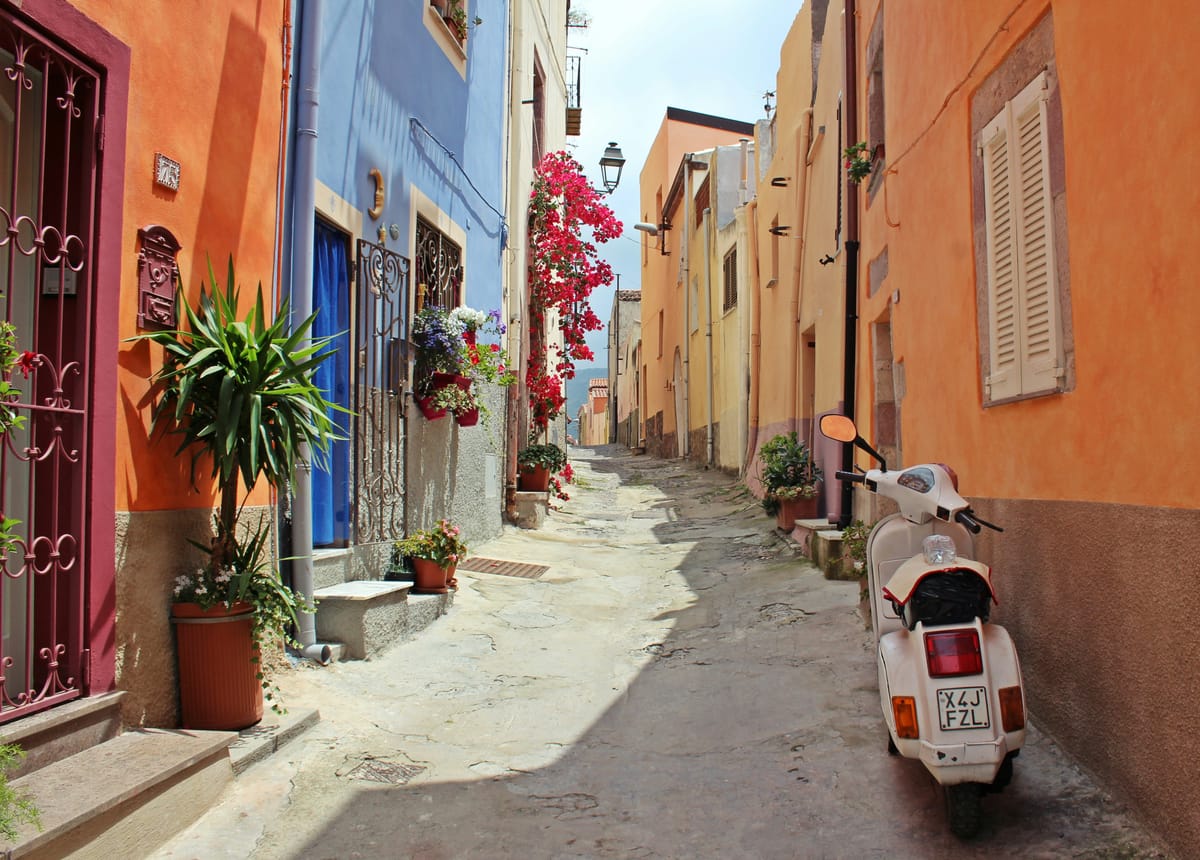
Italy captivates first-time visitors with its timeless cities, rolling vineyard hills, and ancient history around every corner. In fact, about 60 million people visit Italy each year, making it the world’s fifth-most-visited country. Travelers flock to study its art, architecture and ruins – Italy actually has 61 UNESCO World Heritage sites, the most of any country – as well as to savor its world-famous cuisine and scenic landscapes. “From the rolling vineyards of Tuscany to the ancient ruins of Rome, Italy offers a diverse tapestry of experiences”. In short, whether you love food, history, art or beaches, Italy truly has something for everyone.

Start planning your own trip to Italy for free with Tripbook. Sign up today to organize your itinerary, collaborate with friends, and turn your dream adventure into a seamless, stress-free journey.
Itinerary Overview
- Days 1–3: Rome (3 days) – Ancient Rome, Colosseum, and Vatican City.
- Day 4: Naples & Pompeii (1 day) – Pompeii ruins and historic Naples.
- Day 5: Amalfi Coast & Positano (1 day) – Scenic Amalfi Coast, Positano, and Ravello.
- Days 6–7: Florence & Tuscany (2 days) – Florence art and Tuscan countryside.
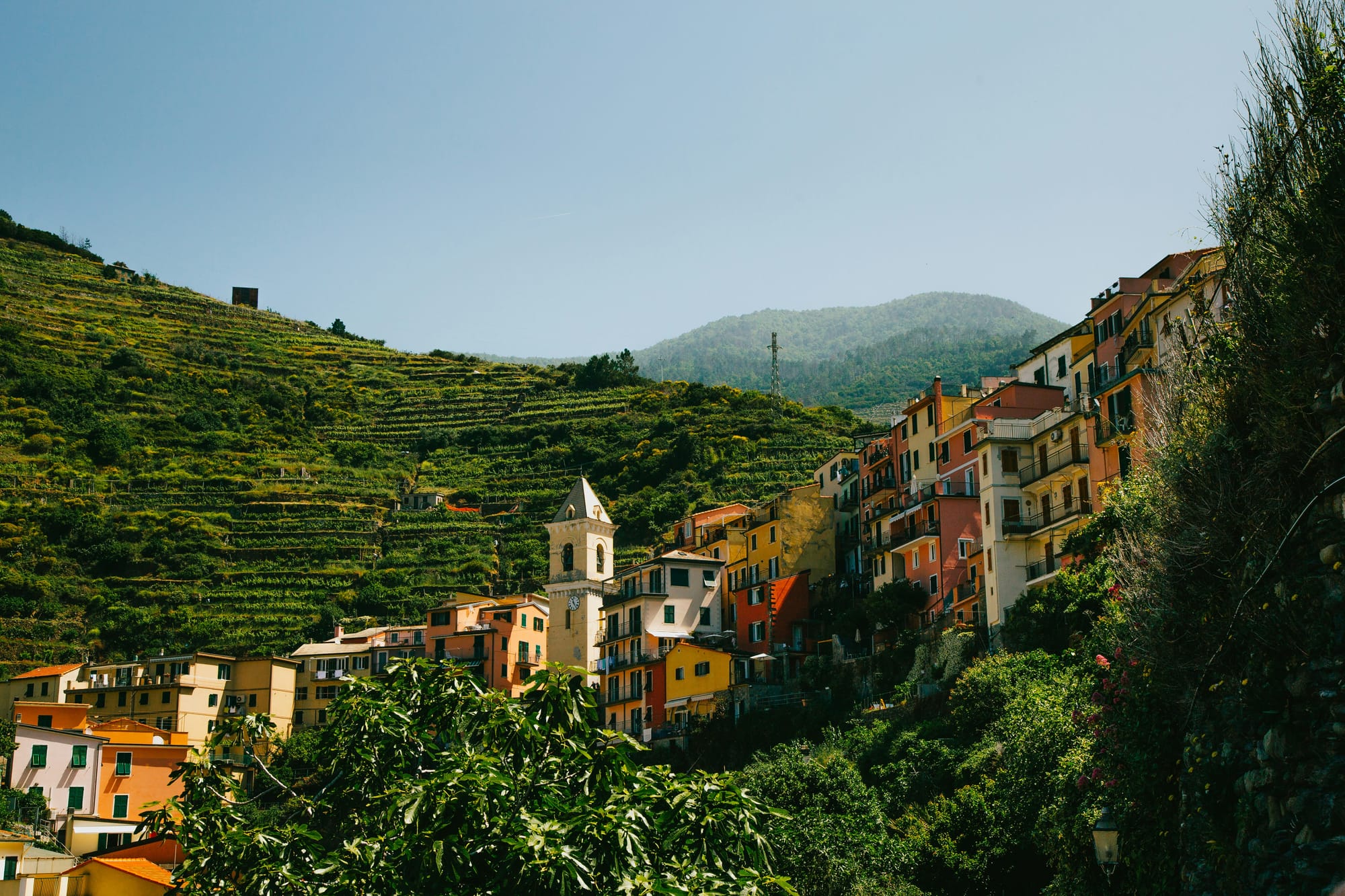
- Day 8: Cinque Terre (1 day) – Colorful villages and coastal hikes.
- Days 9–10: Venice (2 days) – Canals, St. Mark’s Square, Murano and Burano.
Travel Tips for Italy
- ⏰️ Timing: Shops and many sights often close for a long lunch break (riposo) – roughly 12:30–3:00 PM. Likewise, Italians eat dinner late (restaurants often don’t open until 7:30–8:00 PM). Plan your days accordingly.
- 💶 Money & Payments: Italy’s currency is the euro. Credit and debit cards are widely accepted, but carry some cash (especially small bills) for small cafes or rural shops. Many restaurants add a coperto (cover charge) and ~10% servizio fee; tipping beyond that isn’t required.
- 💬 Language & Customs: Learning a few Italian phrases goes a long way. A friendly “Buongiorno” (hello) and “Grazie” (thank you) are always appreciated. Dress respectfully in churches (no bare shoulders).
- 👞 Walking & Drivers: Italy’s cities are best seen on foot – bring good walking shoes for cobblestone streets. If driving, beware the ZTL (limited-traffic) zones in historic centers (entering them without a permit incurs fines). Non-EU drivers need an International Driving Permit.
- ✅ Safety: Petty pickpocketing can happen in crowded tourist areas (subway, piazzas), so keep wallets and phones secure and avoid empty streets at night. Travel insurance is highly recommended to cover any delays or lost items.
- 🍴 Dining: Water isn’t free – you’ll be asked “frizzante or naturale” (sparkling/still) and charged for bottled water. Try local specialities at each stop (no specific restaurants needed). For example, in Rome enjoy cacio e pepe (cheese-and-pepper pasta); in Naples taste authentic Margherita pizza; in Florence sample a thick bistecca fiorentina (steak) and gelato; and along the coast try fresh seafood, pesto and lemoncello.
Best Time to Visit
Italy’s shoulder seasons are ideal: late spring (April–May) and early fall (September–October) usually bring mild weather and fewer crowds. (The famous spring bloom and autumn grape harvest are bonuses.)
Summer (June–August) is peak season – warm and sunny, but busy and hot (temperatures above 100°F often hit Rome and Naples), and tourist sites have long lines.
Winter (November–February) sees cold weather and many attractions closed or on reduced hours, but it’s very quiet – good for budget travel or skiing in the Alps (if you’re headed to Cortina or the Dolomites). Venice’s Carnival (late Feb/early March) is a notable event if you time it right.
Getting Around Italy
Italy has an excellent transport network covering every corner.
By far the train is the most convenient way to travel between major cities: the high-speed Frecciarossa/Italo lines connect places like Rome, Milan, Florence and Naples at speeds up to 300 km/h. For example, Rome–Milan is just over 3 hours by train. You’ll find 300+ daily connections among Italian cities, and trains serve many smaller towns as well. (Tip: always stamp/validate your paper ticket at the station before boarding.)
Coaches and buses fill in the gaps – regional and luxury lines link even remote villages. In towns and city centers, the best way to see the sights is often simply on foot.
Driving a rental car gives maximum freedom (especially in Tuscany, the Amalfi coast, or mountain areas), but be prepared: you’ll need an International Driving Permit for non-EU drivers and you may be fined in limited-traffic zones.
Cities like Rome and Milan have metros/trams for getting around quickly. Ferries are used if visiting islands (Capri, Sicily, Sardinia) or lake areas.
Day 1: Rome
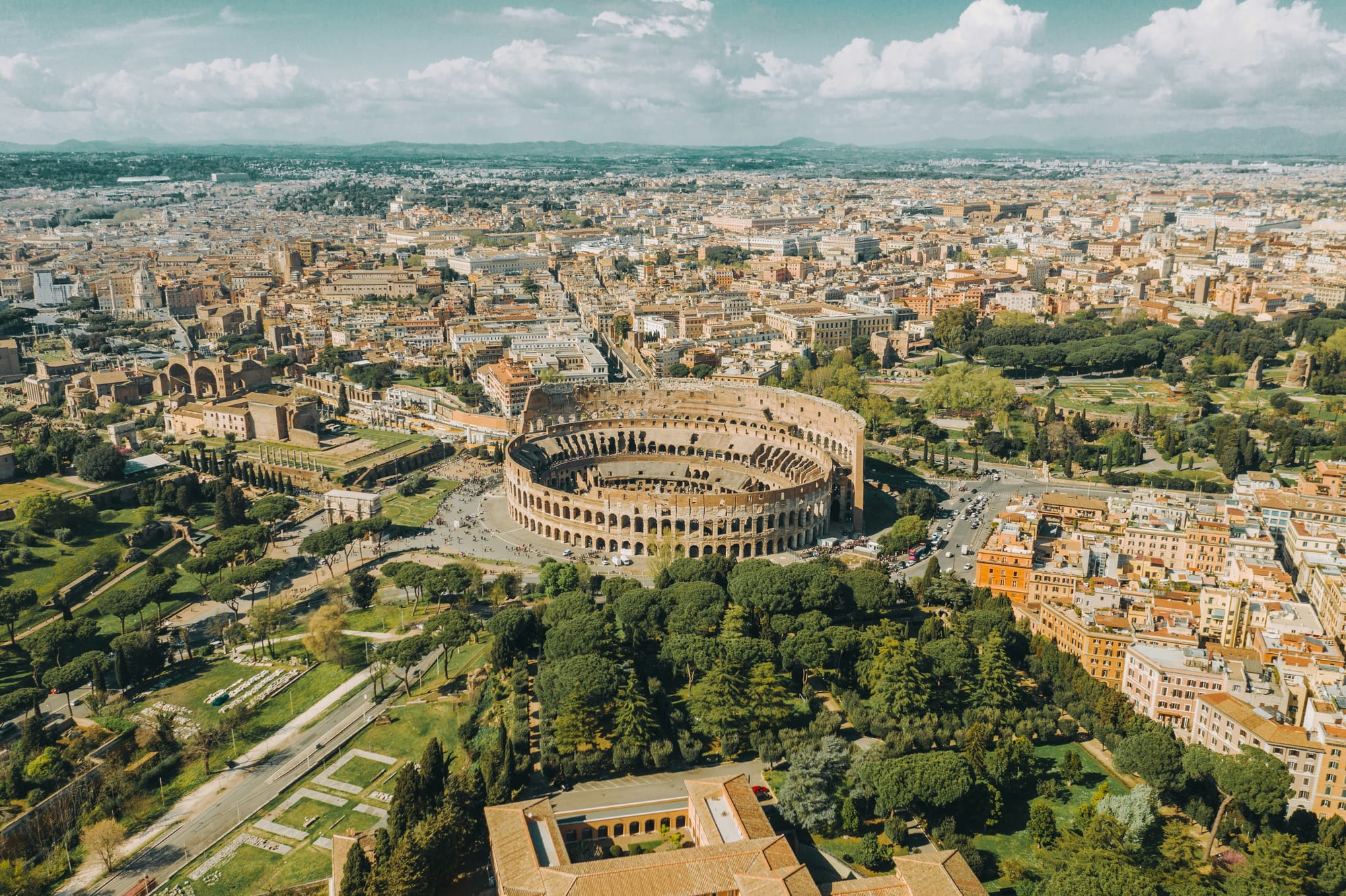
- Morning: Colosseum, Roman Forum
- Afternoon: Palatine Hill, Pantheon
- Evening: Piazza Navona, local trattoria for dinner
Begin your Italian adventure in Rome, the Eternal City. Start with a visit to the Colosseum, where gladiatorial battles once thrilled crowds, followed by a walk through the Roman Forum and Palatine Hill to see ancient temples and ruins. In the afternoon, admire the architectural wonder of the Pantheon and wander the streets of the historic center. As the sun sets, relax at Piazza Navona, enjoy street performances, and savor classic Roman dishes such as carbonara or cacio e pepe at a local trattoria.
Day 2: Rome – Vatican City
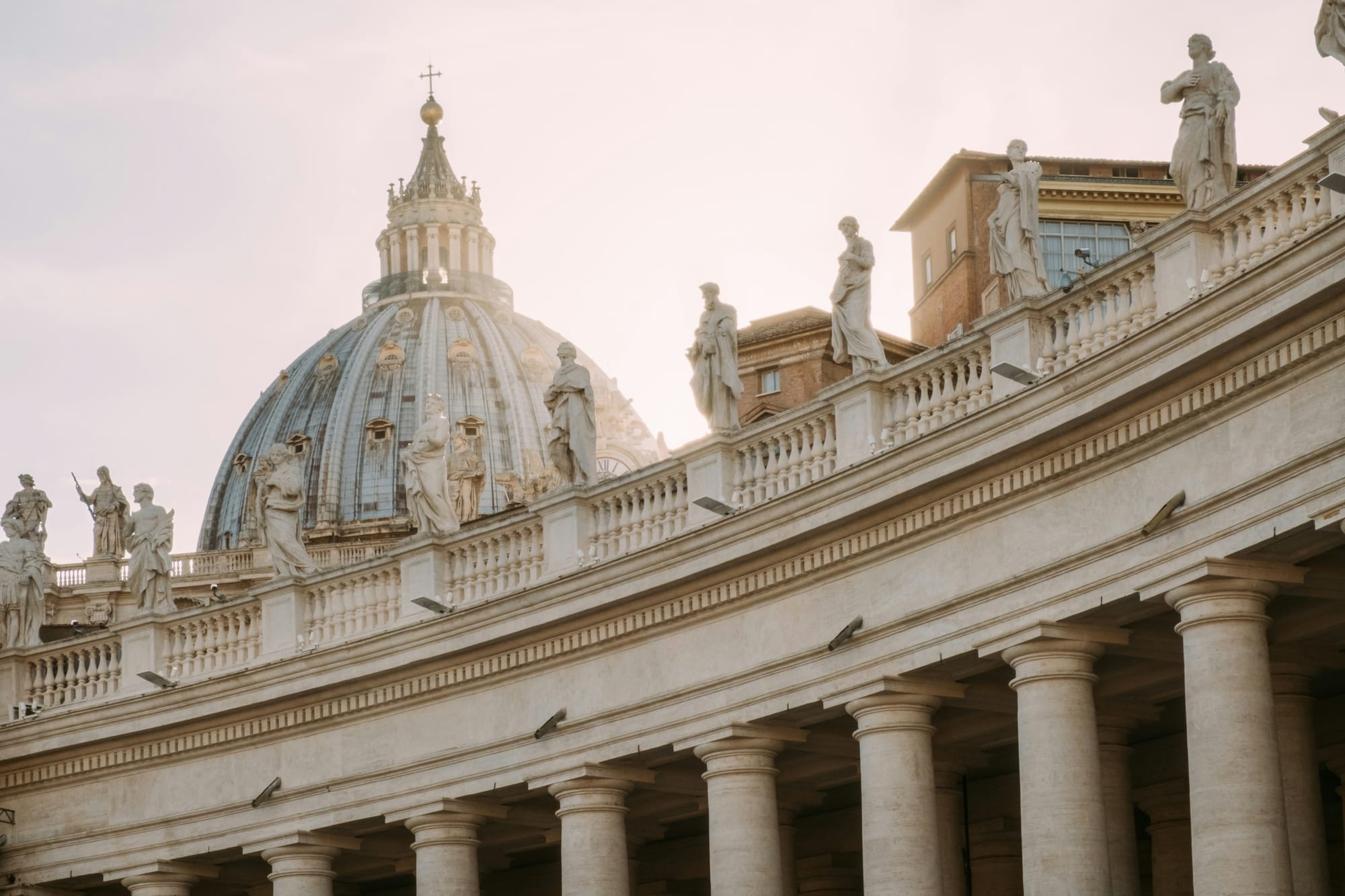
- Morning: Vatican Museums, Sistine Chapel
- Afternoon: St. Peter’s Basilica, Castel Sant’Angelo
- Evening: Trastevere neighborhood, aperitivo
Dedicate the morning to the Vatican Museums and the Sistine Chapel, home to Michelangelo’s iconic frescoes. Continue to St. Peter’s Basilica, climbing to the dome for panoramic views of the city. In the afternoon, visit Castel Sant’Angelo and stroll along the Tiber River. Evening is best spent in Trastevere, enjoying lively streets and sampling Roman specialties such as supplì (fried rice balls) and fresh pasta, followed by a gelato as you explore the charming alleyways.
Day 3: Rome – Fountains, Squares, and Departure to Naples
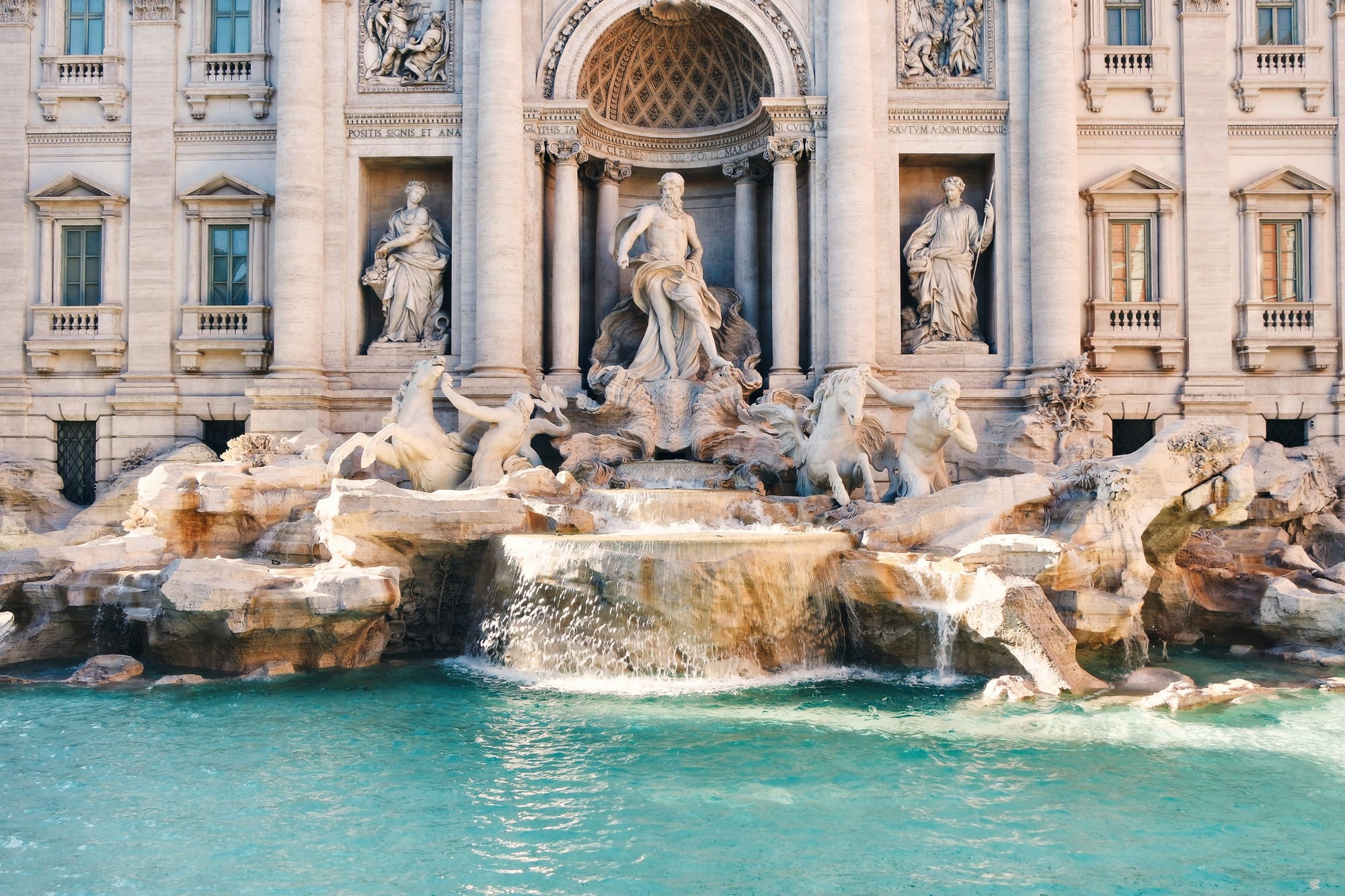
- Morning: Trevi Fountain, Spanish Steps
- Afternoon: Villa Borghese Gardens
- Evening: Travel to Naples
Spend the morning visiting iconic landmarks like the Trevi Fountain and Spanish Steps. Take a peaceful walk through the Villa Borghese Gardens before heading to Naples in the afternoon. Naples, known for its pizza, serves as the gateway to the Amalfi Coast and Pompeii. In the evening, explore Naples’ historic center and enjoy authentic Neapolitan pizza.
Day 4: Naples – Pompeii & Historic Naples
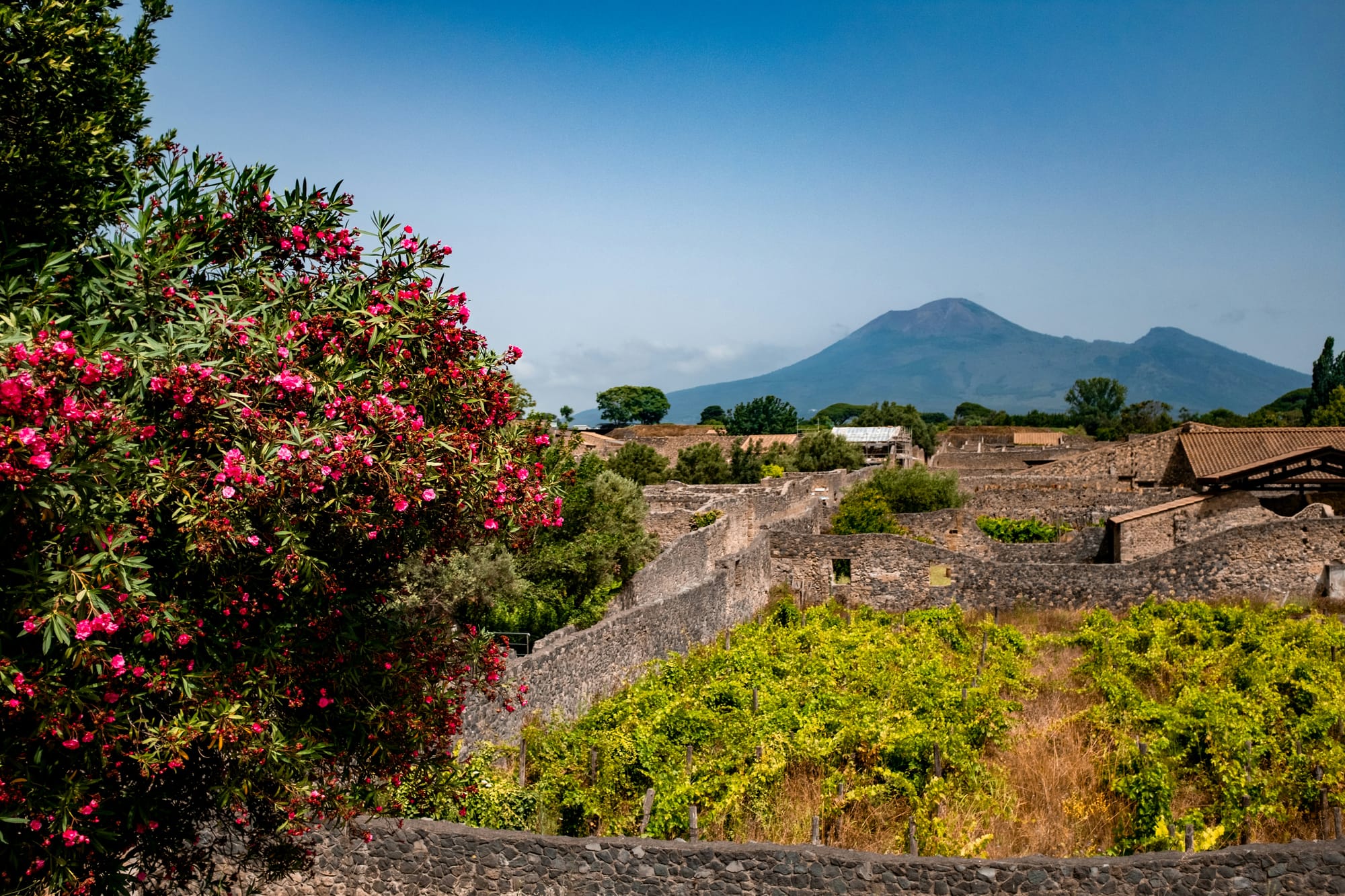
- Morning: Pompeii ruins
- Afternoon: Naples historic center, Naples National Archaeological Museum
- Evening: Seafront stroll, seafood dinner
Take a day trip to Pompeii, the ancient city frozen in time by the eruption of Mount Vesuvius. Return to Naples in the afternoon to explore the historic center, visit the Naples National Archaeological Museum, and wander through bustling streets filled with local life. In the evening, enjoy a walk along the Lungomare, the scenic seafront, and feast on fresh seafood or spaghetti alle vongole.
Day 5: Amalfi Coast – Positano & Ravello
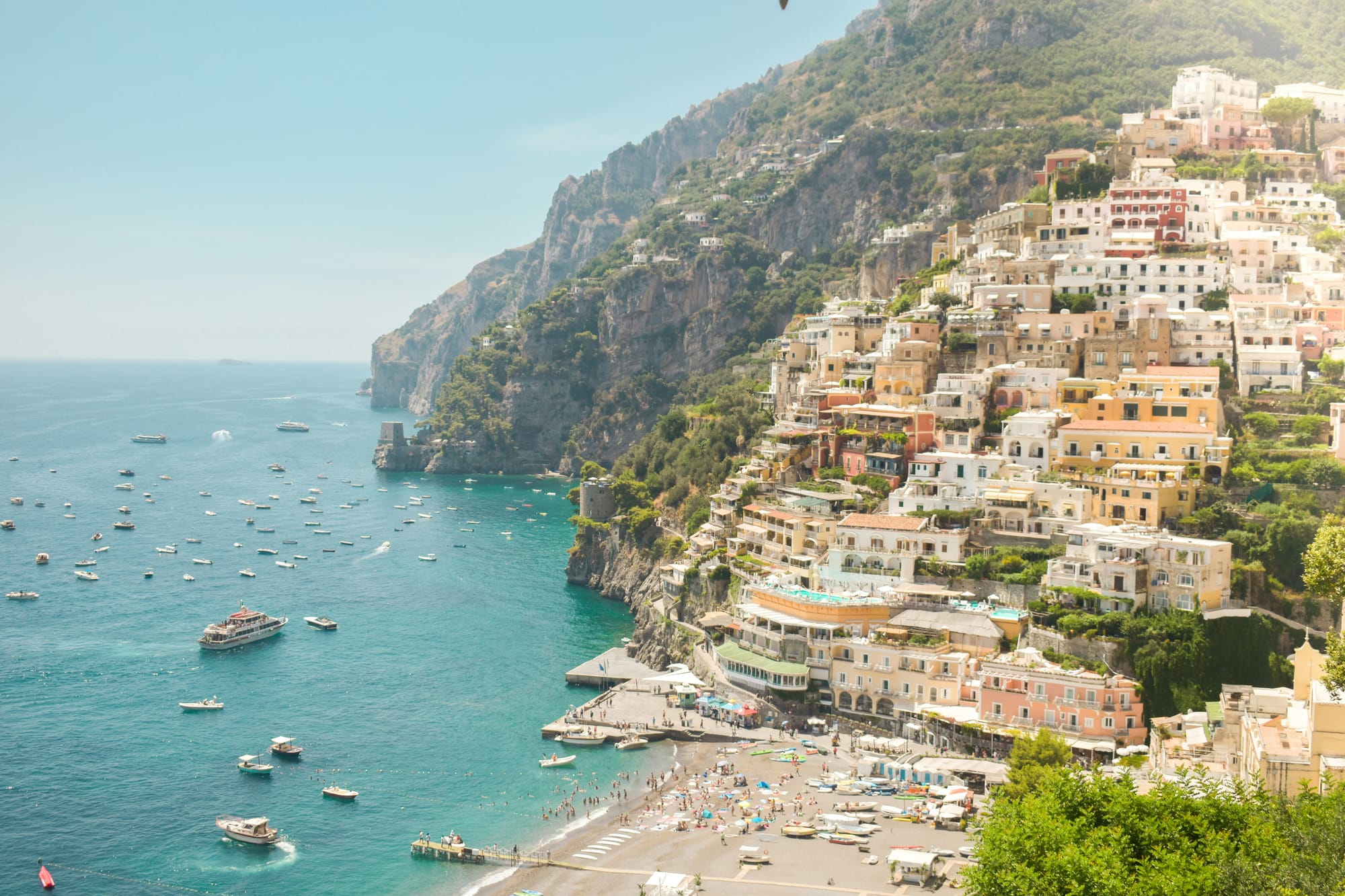
- Morning: Drive along the Amalfi Coast, visit Positano
- Afternoon: Explore Ravello, gardens and villas
- Evening: Sunset views, local coastal cuisine
Rent a car or join a guided tour to experience the stunning Amalfi Coast, stopping in Positano with its cliffside buildings and beaches. Continue to Ravello, renowned for its gardens and panoramic vistas. As the sun sets, enjoy a seafood dinner overlooking the coast, indulging in local specialties like scialatielli pasta with seafood. Stay in either Positano or Amalfi for the night.
Day 6: Florence – Renaissance Art & Architecture
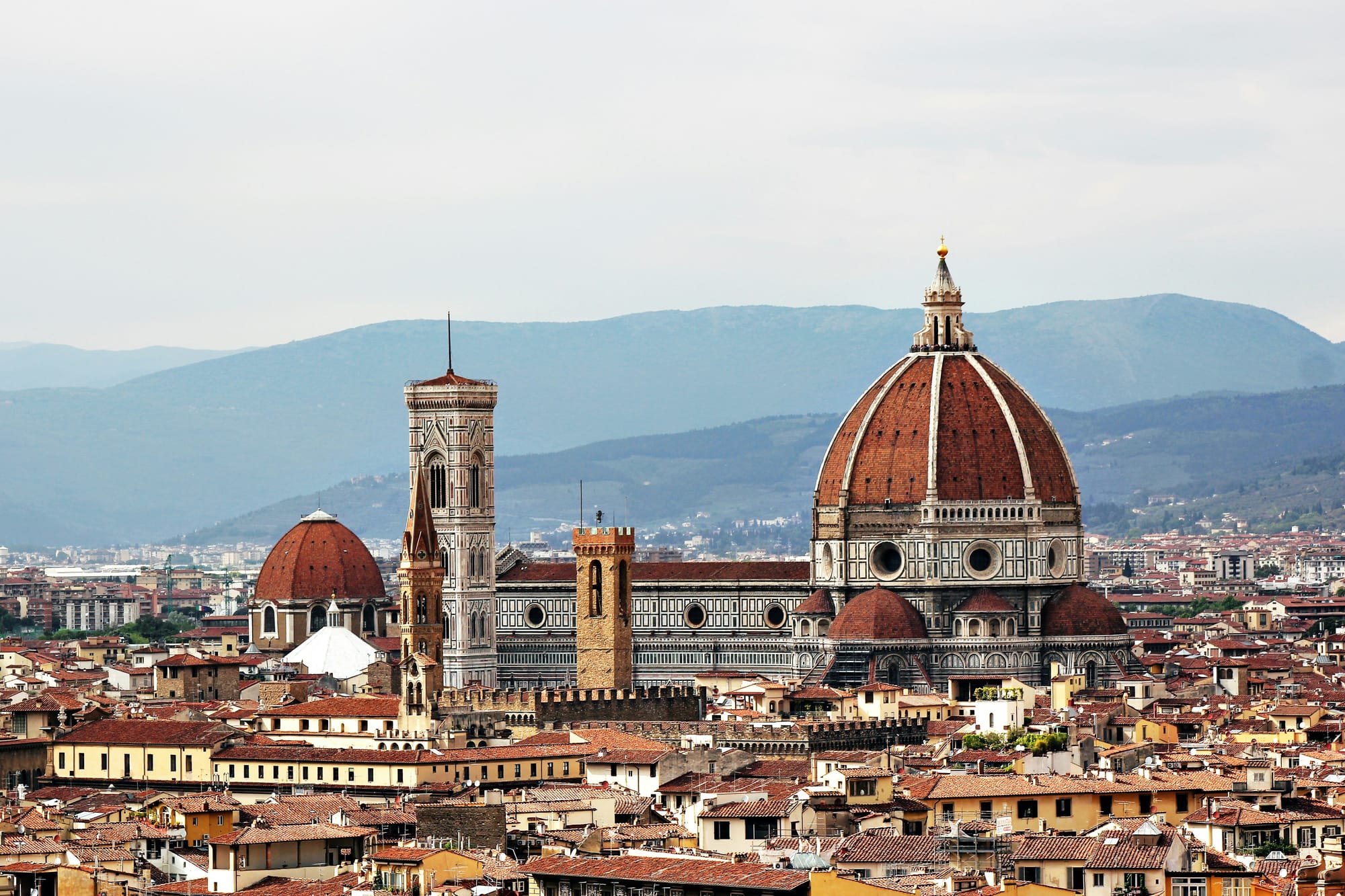
- Morning: Florence Cathedral (Duomo), Baptistery
- Afternoon: Uffizi Gallery, Ponte Vecchio
- Evening: Piazza della Signoria, Tuscan cuisine
Travel north to Florence, the cradle of the Renaissance. Start at the Duomo and the Baptistery, then visit the Uffizi Gallery to see masterpieces by Botticelli and Leonardo da Vinci. Stroll across the Ponte Vecchio, and in the evening, relax in Piazza della Signoria while sampling Tuscan specialties like ribollita soup or Florentine steak.
Day 7: Florence & Tuscany Countryside
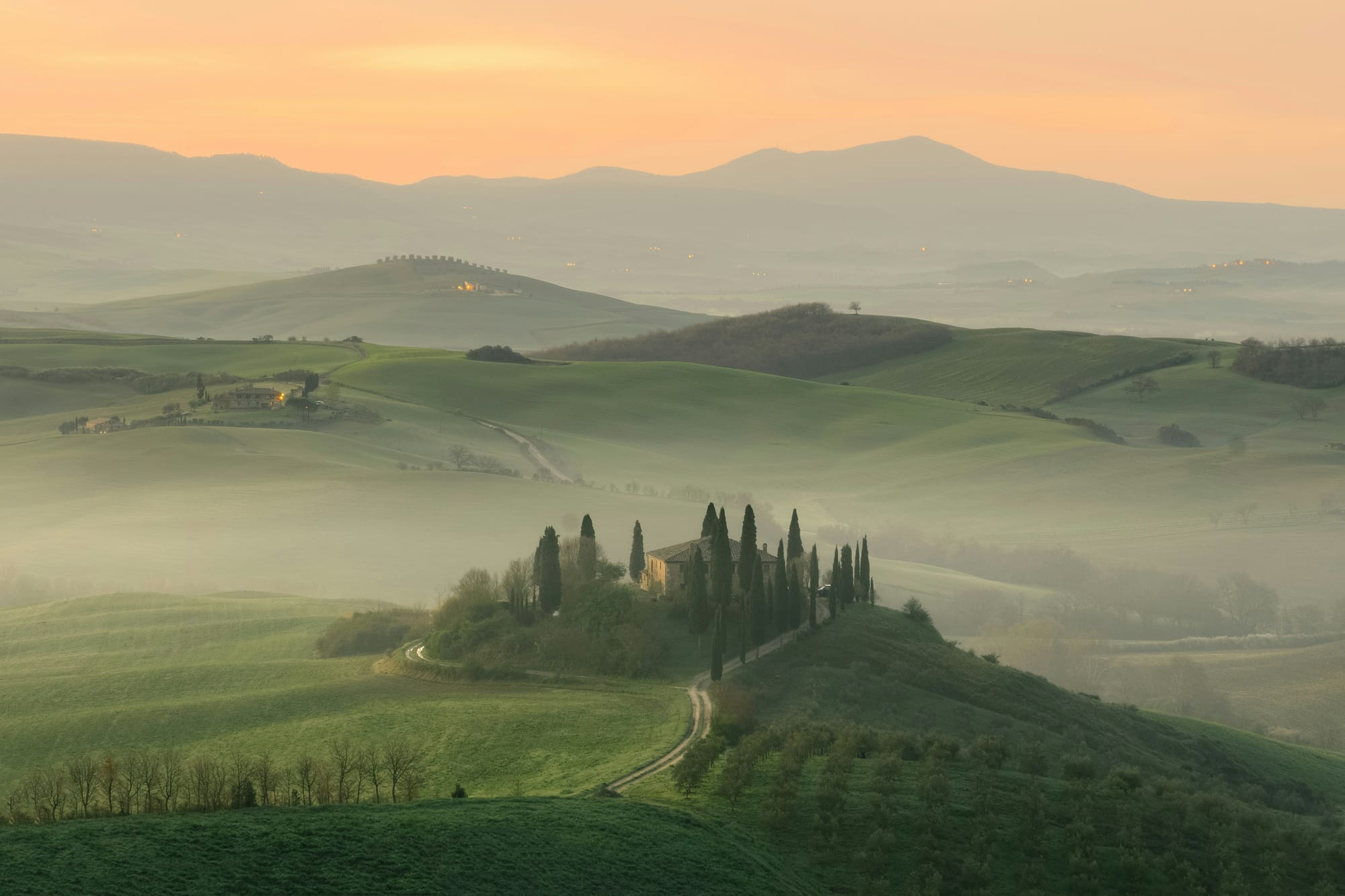
- Morning: Day trip to Chianti or Siena
- Afternoon: Wine tasting and village exploration
- Evening: Return to Florence, casual dinner
Dedicate this day to the Tuscan countryside. Take a day trip to Chianti for scenic vineyards or visit medieval Siena. Enjoy wine tasting and light lunches with local cheeses and cured meats. Return to Florence in the evening for a casual dinner and evening stroll through the city streets.
Day 8: Cinque Terre
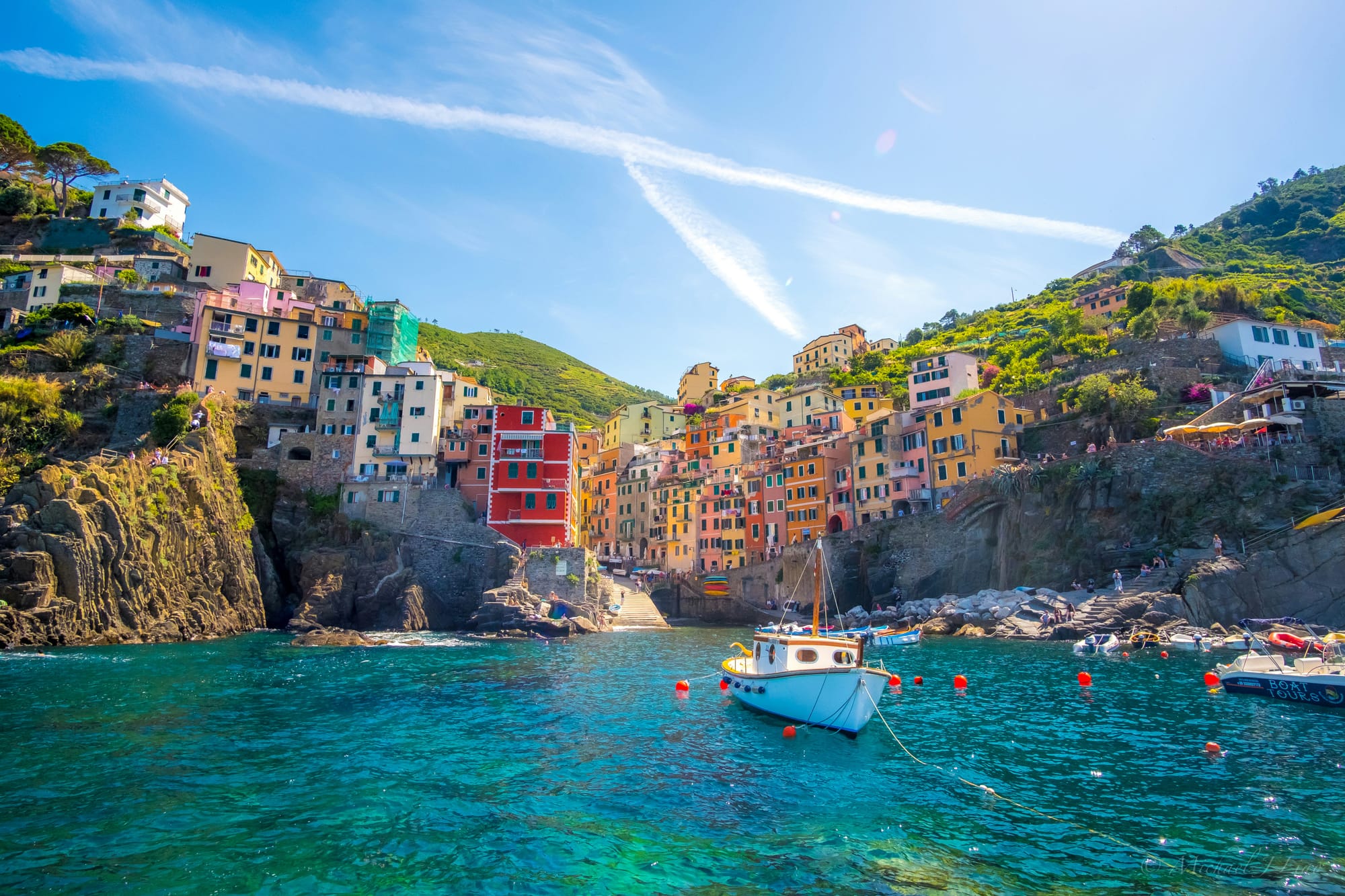
- Morning: Explore Riomaggiore & Manarola
- Afternoon: Hike or take the train to Vernazza & Monterosso
- Evening: Sunset by the sea, seafood dinner
Travel to Cinque Terre, a collection of five colorful villages along the Ligurian coast. Start with Riomaggiore and Manarola, then hike or take the train to Vernazza and Monterosso. Enjoy the vibrant houses, narrow streets, and stunning coastal views. Sample fresh seafood such as anchovies or pesto pasta while watching the sun set over the Mediterranean. Stay in one of the Cinque Terre villages for an authentic experience.
Day 9: Venice – Canals and St. Mark’s Square
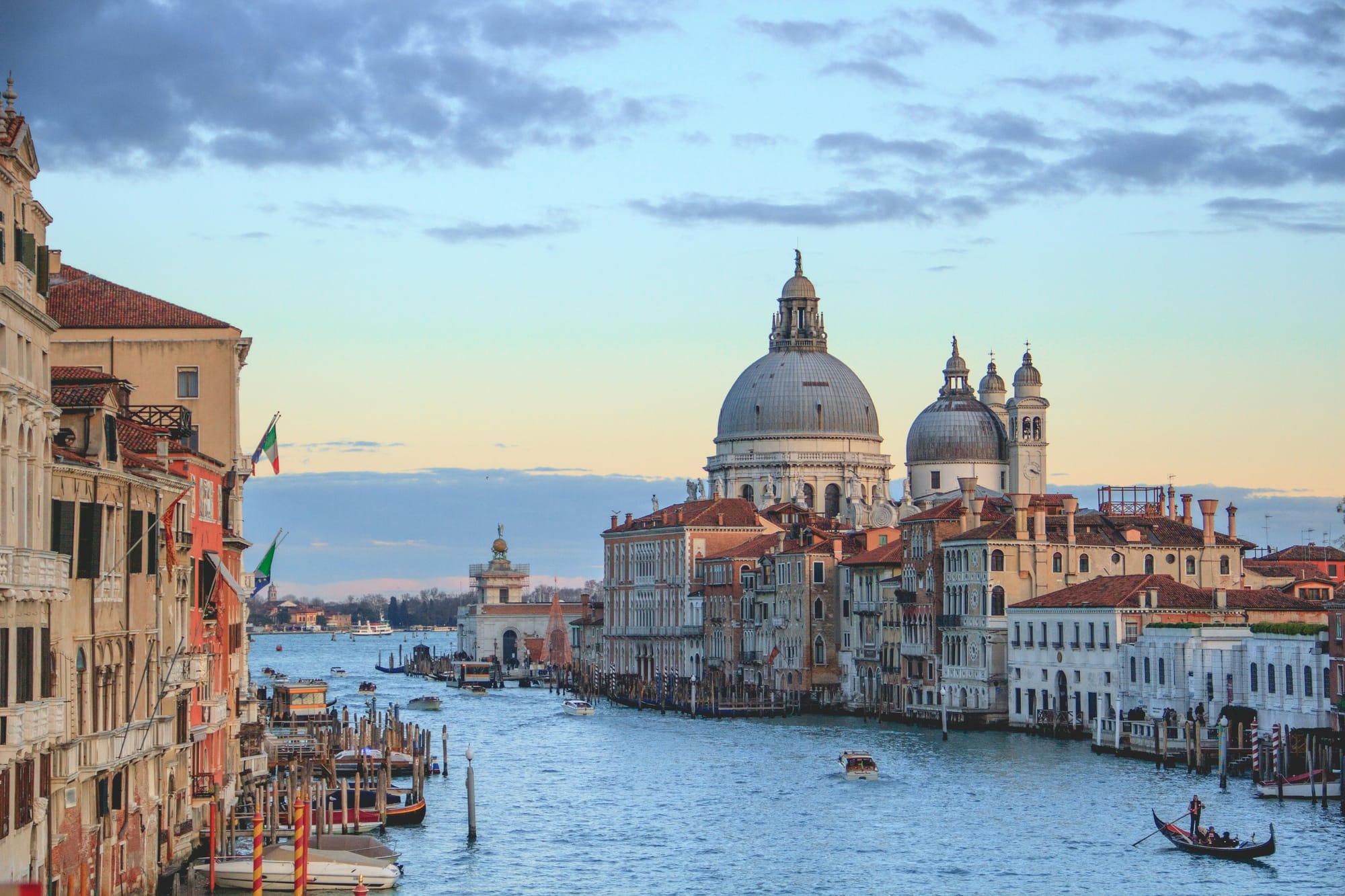
- Morning: St. Mark’s Basilica, Doge’s Palace
- Afternoon: Gondola ride, Rialto Bridge
- Evening: Explore narrow alleys, cicchetti dinner
Arrive in Venice and immerse yourself in its unique canal network. Visit St. Mark’s Basilica and Doge’s Palace in the morning. Take a gondola ride or explore by vaporetto (water bus) to see the city from the water. Walk across the Rialto Bridge and enjoy the labyrinthine streets in the evening, stopping at local cicchetti bars for small plates of Venetian delicacies.
Day 10: Venice – Islands & Departure
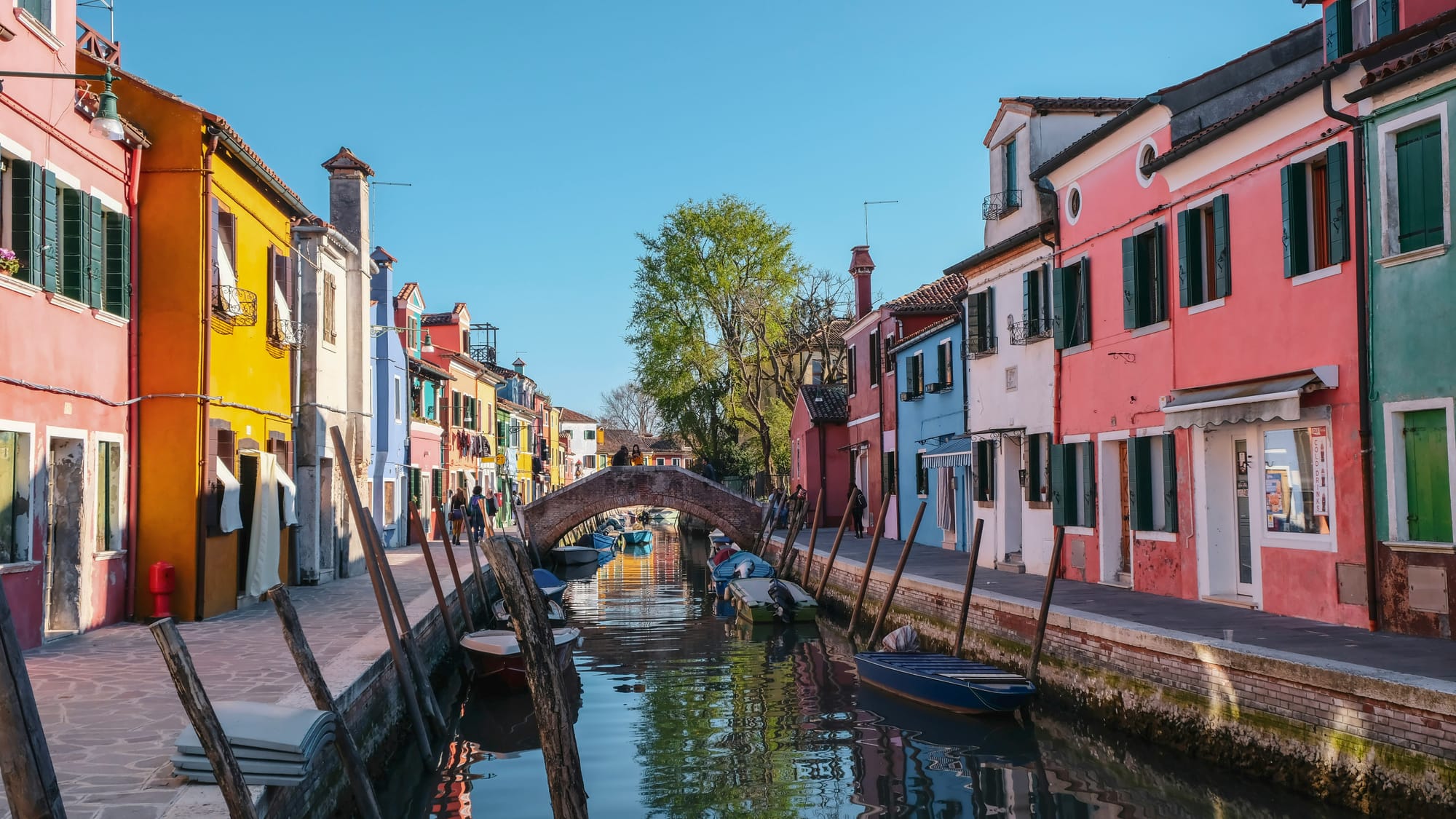
- Morning: Visit Murano & Burano
- Afternoon: Explore hidden canals and quiet squares
- Evening: Final Italian dinner, depart
Spend your last day visiting the islands of Murano, famous for glassmaking, and Burano, known for colorful houses and lacework. In the afternoon, return to Venice’s quieter canals for a relaxed exploration. For your final meal, enjoy Venetian seafood specialties and reflect on the incredible journey through Italy’s history, culture, and cuisine before departing.
Start planning your own trip to Italy for free with Tripbook. Sign up today to organize your itinerary, collaborate with friends, and turn your dream adventure into a seamless, stress-free journey.